















news

Innovative Manufacturing Techniques in Alloy Wheel Production

Low pressure casting has become pretty important for making alloy wheels because it uses controlled pressure to create those detailed shapes and complicated forms that are hard to get otherwise. Unlike the old school high pressure die casting methods, this approach actually results in fewer flaws and better strength characteristics overall. Looking at what various studies have shown recently, there’s clear data pointing to wheels made through low pressure casting having much lower porosity issues and lasting longer under stress. Industry reports indicate these castings tend to last about 15-20% longer than their counterparts, which explains why so many manufacturers now prefer this method when building high quality wheels for performance vehicles.

Innovative Manufacturing Techniques in Alloy Wheel Production Read More »

Advantages of Carbon Fiber Wheels for Performance Vehicles

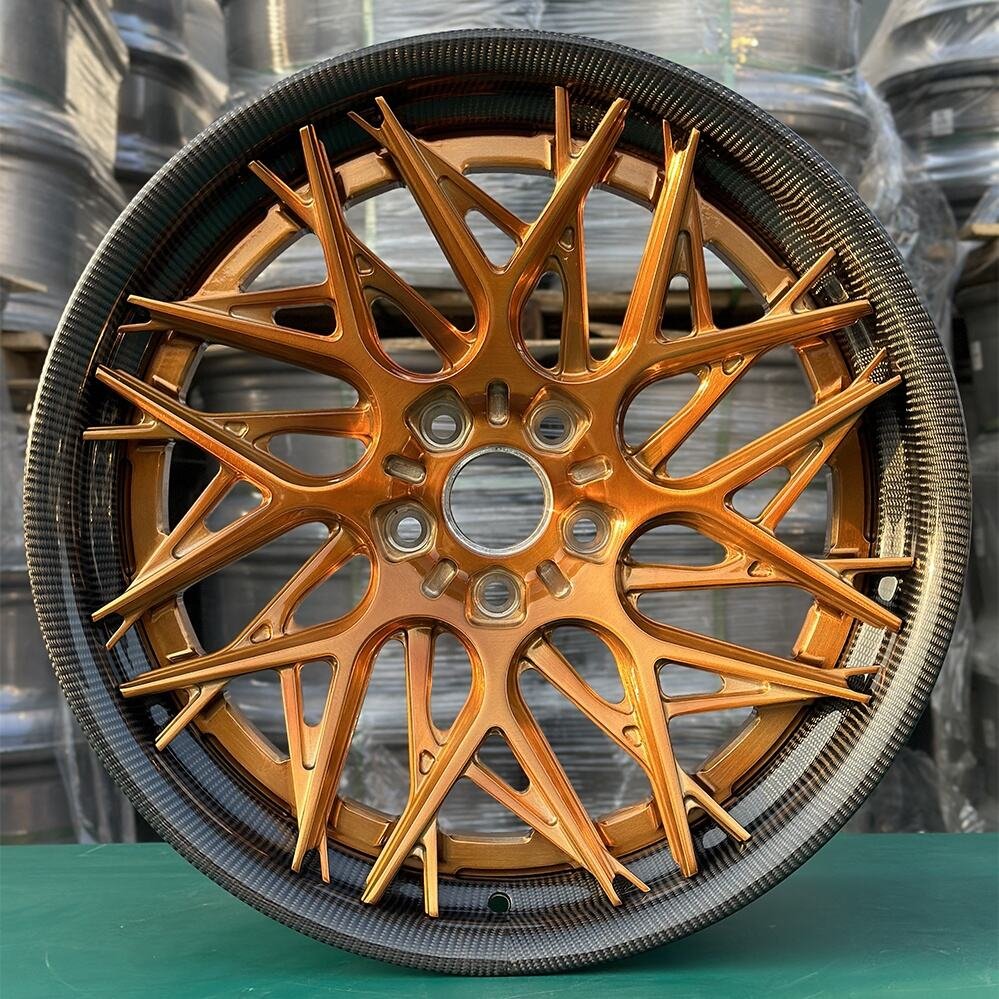
The weight of parts not held up by a car’s suspension system, known as unsprung mass, really affects how a vehicle handles and feels when driving. Think about all those bits hanging out there – wheels, tires, brakes. When manufacturers cut down on this extra weight, the suspension works better and the whole car becomes more stable. That’s where carbon fiber wheels come into play. They’re much lighter than regular aluminum ones, which makes them popular among performance enthusiasts. Mechanics will tell you lighter wheels mean smoother rides because the suspension doesn’t have to work so hard. Road tests show cars with lower unsprung mass stop faster and take corners better too. While some argue the cost is steep, most agree these lightweight options give drivers a tangible edge compared to standard wheels.

Advantages of Carbon Fiber Wheels for Performance Vehicles Read More »

Aesthetic Appeal and Performance Benefits of Deep Dish Rims

Deep dish rims have gained popularity because they look really eye catching and bold. The way they curve inward gives cars a much stronger appearance when mounted, which explains why so many people pick them over regular wheels if they want their ride to stand out visually. Most folks see these types of rims as having that extra edge or sports car vibe that just isn’t there with standard wheel designs. They tend to make vehicles appear lower to the ground too, something that appeals to drivers who crave that aggressive stance without actually modifying suspension components.

Aesthetic Appeal and Performance Benefits of Deep Dish Rims Read More »

The Role of Carbon Fiber Wheels in Enhancing Fuel Efficiency

Carbon fiber wheels weigh a lot less than regular aluminum or steel ones, and that makes a big difference in how much gas gets burned. Think about it this way: when something spins, it takes energy to start moving. Lighter wheels need less power to get going, so the car doesn’t have to burn as much fuel every time it speeds up. Some research in automotive journals backs this up too. One study showed drivers could save real money on gas by going lighter, especially around town where stop-and-go traffic is constant. The engine works harder with heavier wheels, so cutting down on weight helps both the wallet and the overall performance of the vehicle.

The Role of Carbon Fiber Wheels in Enhancing Fuel Efficiency Read More »

The Evolution of Alloy Wheels in Modern Automotive Design

The year was 1924 when Bugatti changed how cars handled on the track with something never seen before – cast aluminum wheels installed on their Type 35 race car. What made this so special? Well, those wheels cut down what we call unsprung weight, which basically means the parts hanging off the suspension system. And guess what happened next? The car handled better, felt more responsive during races, giving drivers an edge they hadn’t had before. When the wheels lost less mass while moving, everything got faster too – acceleration picked up, brakes worked smarter, corners were taken at higher speeds without losing control. Other car makers took notice of what Bugatti did here. They started looking into their own versions of lightweight components after seeing how much difference these aluminum wheels made. Looking back now, this wasn’t just another improvement but actually marked a turning point in building fast machines that could perform consistently under pressure.

The Evolution of Alloy Wheels in Modern Automotive Design Read More »

Military-Grade Off-Road Wheel Solutions: 6061-T6 Aluminum Meets Carbon Fiber

When considering materials for military equipment, the strength to weight ratio matters a lot because every extra pound counts in combat situations. Take 6061-T6 aluminum for instance. It’s known for being pretty strong relative to how light it is, with around 20 thousand pounds per square inch of yield strength. This means parts made from this alloy stay intact under stress without adding unnecessary bulk to aircraft or vehicles. Carbon fiber takes things even further though. The stuff has an amazing strength to weight ratio, sometimes hitting 130 thousand psi. No wonder defense contractors love using it for planes and other gear where performance needs to be top notch. Tests show that switching from aluminum to carbon fiber can cut down on weight by roughly 30 percent. That kind of reduction really helps when trying to move faster or carry more payload. Most modern militaries go with carbon fiber whenever possible despite the higher price tag. But there are still plenty of cases where regular old aluminum works just fine, especially when budget constraints come into play. After all, not every mission requires cutting edge materials.

Military-Grade Off-Road Wheel Solutions: 6061-T6 Aluminum Meets Carbon Fiber Read More »

Why Global Suppliers Choose CELI’s Three-Piece Wheel Assemblies

Three piece wheel setups have gained popularity mainly due to their light construction. They’re typically made from stuff like aluminum alloys and carbon fiber composites these days. The materials themselves cut down on total car weight quite a bit, something that really matters when it comes to how well the car performs. Lighter wheels mean faster acceleration and sharper handling, so drivers notice the difference right away. Some research shows that switching to lighter wheels can drop unsprung weight by around 30 percent. That makes a big impact on how responsive the suspension feels, plus helps save fuel over time. Anyone serious about getting more out of their ride would do well to consider going with lighter wheel options whenever possible.

Why Global Suppliers Choose CELI’s Three-Piece Wheel Assemblies Read More »

Off-Road Ready Pure Carbon Fiber Wheels Withstand Extreme Industrial Applications

Carbon fiber wheels have become famous for how strong they are compared to their weight, something regular materials like steel or aluminum just can’t match. Light yet tough, these wheels give vehicles a real edge when it comes to performance and how well they handle turns. Research shows lighter wheels mean better gas mileage too, plus quicker acceleration which makes cars feel more responsive behind the wheel. Off-road drivers know this matters most when navigating rough terrain where every bit of control counts. Because carbon fiber doesn’t weigh much at all, it helps reduce the whole car’s mass without sacrificing durability. This makes a noticeable difference during tough off-road conditions where both power and precise handling are needed.

Off-Road Ready Pure Carbon Fiber Wheels Withstand Extreme Industrial Applications Read More »

Two-Piece vs Three-Piece: Choosing the Right Wheel Configuration for Fleet Vehicles

Choosing the right wheel setup makes all the difference when running a fleet operation smoothly. Fleet managers deal with different kinds of wheels daily from basic manual models to those swivel bases that let vehicles turn on a dime. These wheels come with their own strengths based on what they’re made from and how they’re built. Getting this right saves money in the long run because it cuts down on repairs while keeping things moving as needed. Industry pros have been stressing this point for years now, pointing out that smart wheel choices can really impact day-to-day operations. When companies take time to match wheel types with actual needs across their fleet, they see better results over time without constantly replacing worn out parts.

Two-Piece vs Three-Piece: Choosing the Right Wheel Configuration for Fleet Vehicles Read More »

Premium Wrapped Carbon Fiber Wheels: Ultimate Durability for Off-Road Vehicle Fleets

Carbon fiber wheels give drivers a real edge when it comes to balancing strength and weight compared to old school materials such as steel or aluminum. Take a look at the numbers and carbon fiber stands out – it’s roughly five times stronger than these metals yet weighs much less, which translates directly into better handling and responsiveness for any vehicle. Some recent testing within the auto sector showed how switching to carbon fiber wheels cuts down overall vehicle mass, allowing trucks to carry more cargo without sacrificing speed or control. For those running off road operations, this means tangible improvements in both performance and fuel economy across their entire fleet. That’s why so many forward thinking companies are turning to carbon fiber solutions when they need maximum load capacity combined with serious off road capability.

Premium Wrapped Carbon Fiber Wheels: Ultimate Durability for Off-Road Vehicle Fleets Read More »

Powered by Joinchat